2024 will be a very complicated year for the Italian machine tool industry

Yayınladı 03/07/2025
2024 will be a very complicated year for the Italian machine tool industry

IMPROVEMENT EXPECTED FOR 2025 BUT THE FORECASTS ARE NOT BRILLIANT.

2024 proved to be a decidedly complicated year for the Italian machine tool, robot and automation manufacturing industry, which saw a sharp decline in almost all economic indicators. Only exports recorded a small increase.

Despite this, the Italian industry in the sector confirmed itself, once again, among the main protagonists of the international scenario where it was fifth in the world production ranking and fourth in exports.

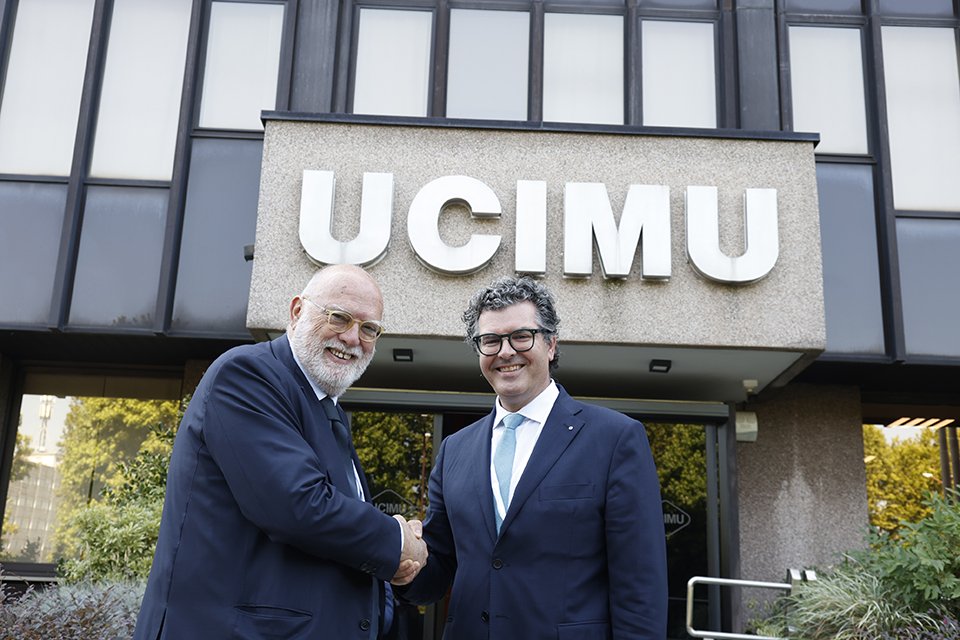
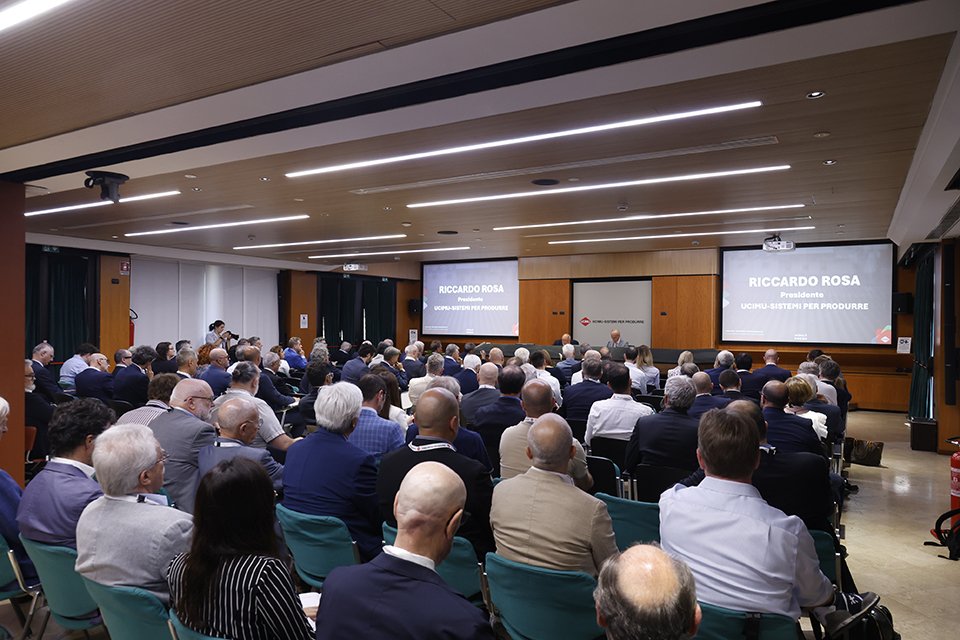
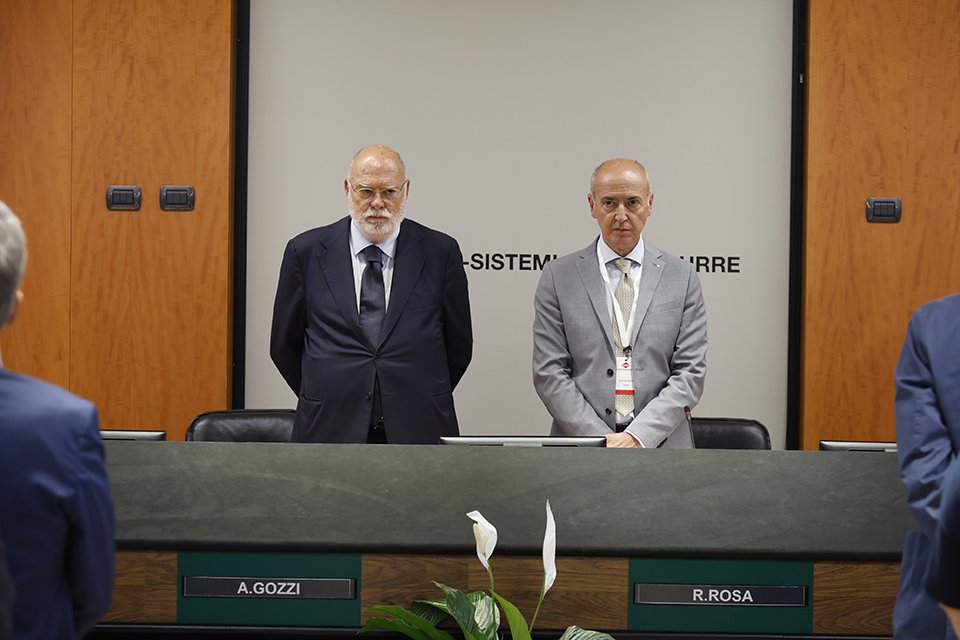
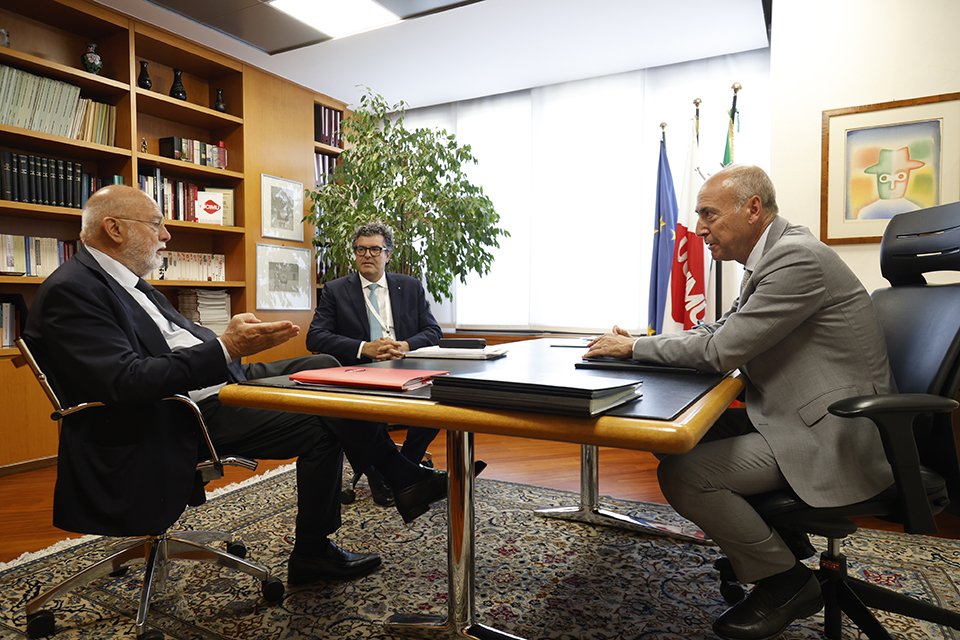
The forecasts for 2025 are of a slight improvement, compared to 2024, but the expected results are certainly not brilliant. This, in short, is the picture illustrated by the president of UCIMU-SISTEMI PER PRODURRE, Riccardo Rosa, on the occasion of the Shareholders' Meeting attended by the president of FEDERACCIAI, Antonio Gozzi.

2024 FINAL REPORTS
According to the final data processed by the UCIMU Study & Business Culture Centre, in 2024, the Italian production of machine tools, robots and automation stood at 6,327 million euros, recording a 16.9% drop compared to 2023.

The result was determined by the heavy reduction in deliveries by Italian manufacturers on the domestic market, which fell by 39.5% to 2,054 million, weighed down by the collapse of domestic consumption which stopped at 3,707 million, 36.3% less than the previous year. Imports also suffered, standing at 1,653 million, -31.8%.

The performance of Italian companies on foreign markets was different, as confirmed by the export data which grew by a timid 1.2%, to 4,273 million euros, marking a new record for the sector.

The export to production ratio rose from 55.5% in 2023 to 67.5% in 2024.

In 2024, the main outlet markets for Italian supply were: United States (629 million, +10.9%), Germany (365 million, +1.6%), China (240 million, -16.3%), France (204 million, -17.6%), Turkey (190 million, -10.3%), India (185 million, +58.3%), Mexico (176 million, -9.9%), Poland (169 million, -21.5%), Spain (157 million +21.1%), Sweden (92 million +71.4%).

The level of production capacity utilization is decreasing, with the annual average going from 86.2% in 2023 to 77.3% in 2024. The same trend also applies to the order book, which stood at 6.5 months of assured production, compared to 7.3 months in the previous year

The sector turnover stopped at 9,340 million euros.

2025 FORECASTS
As emerges from the forecasts developed by the UCIMU Study & Business Culture Centre, 2025 will mark a slight recovery in the Italian machine tool, robot and automation manufacturing industry. All indicators will return to positive territory but the increases are decidedly limited.

Production will stand at 6,490 million euros (+2.6%). Exports, expected to continue growing (+1%), will reach a new record of 4,315 million euros.

Deliveries on the domestic market will also start growing again (+5.9%), reaching 2,175 million euros, supported by the slow recovery of domestic consumption which will rise to 3,910 million euros (+5.5%). Imports will also register a positive sign, reaching 1,735 million (+4.9%).

COMMENTS AND PROPOSALS FOR INDUSTRIAL POLICY: TRANSITION 5.0, GERMANY AND STRUCTURAL MEASURES
Riccardo Rosa, president of UCIMU, at his first Assembly, stated: “After the difficult 2024, 2025 should give us some more satisfaction but never as in this case is the conditional obligatory considering the succession of truly worrying phenomena: from trade wars to military ones. All this makes our work more difficult and requires companies to make a great effort to improve their competitiveness. And to do so we must continue to invest in innovation, knowledge of the context and training”.

“Thanks to interconnection, data management, sensors, remote vision and control systems, artificial intelligence, latest-generation machine tools are real enablers of the transformation of factories in a digital and green way. We are proud - said Rosa - of how much and how our small world, made up mostly of SMEs, has contributed to the advancement of Italian manufacturing but we are aware that this development has also been possible thanks to the 4.0 and 5.0 measures that have supported and stimulated the market”.

“In a crucial moment like the one we are experiencing, with a decidedly weak domestic and foreign demand, incentive tools are essential to support the progressive and necessary change. Also because - continued the president of UCIMU - Germany, our first reference in Europe, will soon equip itself with a plan to support and relaunch its industry”.

“If the German locomotive starts up again, we - the first carriage of this train that has never stopped until now - must be ready and hooked up to it in order to continue working in the Made in German production chains which, net of the issue of duties, travels on very long routes, distributing our production everywhere in the world”.

“We ask our government for immediate intervention for the current year on Transition 5.0, to obtain the extension of its operation beyond the expected deadline. But if this is not possible, we ask at least to convert the funds still available into new measures. In this regard, we believe it is necessary to think, starting now, about the national policies that will have to accompany the development of the industry from 2026 onwards”.

“Based on experience, we believe structural measures are needed to allow companies to confidently plan their investments, thus avoiding unsustainable peaks in work for Italian manufacturers, specialized in production on order. Too often, SMEs risk losing even important orders because the lead time of a super-customized product like ours does not ensure delivery within the terms set by the incentive, also benefiting imports. A double loss in essence”.

THE ECONOMIC AND GEOPOLITICAL CONTEXT: AUTOMOTIVE/DUTY AND INSTABILITY
With respect to the context, there are two big questions that European companies must ask themselves: “what will happen or what do we want to happen to the Made in EU automotive sector and all its related industries? And how will we move with respect to the much-feared policy of duties that could trigger a domino effect on all areas of the world?”

"On the electrification of the engine - stated Riccardo Rosa - once again, we reiterate the need to enforce the principle of technological neutrality. Also because in the sustainability of this transition process, it is necessary to consider, in addition to the environmental impact, also the economic and social one. As European entrepreneurs and citizens, we know very well that the interest of young people in the car is infinitely lower than that of previous generations, but we are deciding to leave our entire market to Asia and we are risking the desertification of a fundamental part of the Eurozone economy, a premise for the impoverishment of the population. All this cannot happen".

“Community policies are needed to accompany the reconversion of plants towards different productions. Furthermore, the funds and development plans for rearmament, defense and aerospace will, yes, be able to give new impetus to the Eurozone industry but, in these sectors, you can’t improvise. Entering the galaxy of the big players in these worlds means undergoing strict assessments and certifications. And often the requirements requested represent, right from the start, a significant obstacle for many small and medium-sized enterprises”

“On duties, the United States, in 2024, was our first destination market with over 600 million machines sold. Our product – stated Riccardo Rosa – is very popular there and American factories have a terrible need for imported machinery because internal production is absolutely not sufficient to satisfy demand. For this reason we can think that the tariff barriers at entry will not be particularly penalizing for us. More problematic could be the indirect effect of the duties on the products in whose supply chains we are inserted”.

“What is decidedly penalizing is uncertainty, the real deterrent to investments in production technology, whether it is linked to the trade war so feared by President Trump or, even worse, linked to the instability of the Middle East”.

“All this - stated Riccardo Rosa - demonstrates how today geopolitics has forcefully entered our daily lives and the activities of our companies. We must all equip ourselves to learn to read the change and interpret events through comparison and dialogue with colleagues, institutions and also by relying on the representative organizations to which we belong”.

TRAINING
“We must invest in the training of our staff and young people who are the future of our companies. The latest generation machines - concluded Riccardo Rosa - need people capable of managing, programming and using them. For this reason, UCIMU has strengthened, and will do so even more in the future, its commitment to UCIMU Academy, a project that includes all the initiatives dedicated to reducing the mismatch between job supply and demand. These include the development of collaborations with high schools, universities and ITS Academy foundations linked to the world of metalworking, talent breeding grounds for our factories”.
Daha fazla bilgi için: UCIMU
2024 will be a very complicated year for the Italian machine tool industry

İlginizi çekebilecek diğer makaleler

Ucimu: orders index in the third quarter of 2026 rise (+10.5%) foreign orders (+24.7%); domestic ord

In the third quarter of 2026, the machine tool orders index compiled by the UCIMU-SISTEMI PER PRODURRE Study & Business Culture Centre recorded a 10.5% increase compared to the July-September 2025 period . In absolute value, the index stood at 58.9 (base 100 in 2021). In particular, orders collected across borders grew by +24.7% compared to the third quarter of 2025, for an absolute value of 108.6. Order intake in Italy, however, decreased by 7.1% compared to the same period of the previous year. The absolute value of the index stood at 14.3. Riccardo Rosa , President of UCIMU-SISTEMI PER PRODURRE, stated: " Domestic demand remains weak despite the numerous ongoing negotiations. The uncertainty of the international context and the increase in energy costs are clearly impacting the activity of Italian manufacturing operators, who are postponing investments pending greater clarity. We are therefore confident ," added President Riccardo Rosa , " that Italian demand will be able to regain momentum, also supported by the hyper-depreciation measure which, in version 5.0, allows for better planning of investments, which can be spread out until September 2028. " Italian manufacturers' activity on foreign markets, however, has been decidedly dynamic. In addition to the United States, where demand remains particularly strong, Germany is also beginning to show signs of recovery: certainly good news for the Italian industry in the sector. According to data processed by the UCIMU-SISTEMI PER PRODURRE Study & Business Culture Centre, in the first half of 2026 (latest available data), the main outlet markets for Italian supply in the sector were the United States (329 million euros +12.6%) and Germany (137 million euros, +7.6%), followed by France, Poland, and Spain. “In particular, the aerospace and defense sectors, as well as the energy sector, are driving orders, regardless of the country of reference,” concluded Riccardo Rosa . These are the latest sector data presented by the president of UCIMU-SISTEMI PER PRODURRE, Riccardo Rosa , on the occasion of the inauguration of 35.BI-MU, the international sector event taking place at fieramilano Rho from 12 to 16 October . Speakers at the meeting chaired by Rosa included Valentino Valentini , Deputy Minister of the Ministry of Enterprise and Made in Italy; Giovanni Bozzetti, President of Fondazione Fiera Milano; Simona Greco , Hosted Exhibitions Director of Fiera Milano; and Luca Durante , Head of the Capital Goods Office at ICE-Agenzia. The second part of the event featured an interview with Gian Piero Cutillo, Co-General Manager of Leonardo, and Roberto Vavassori , Executive Director of Brembo and President of ANFIA, conducted by Paolo Bricco, Special Correspondent, Il Sole 24 Ore. The event features over 400 companies , spread across a total area of ​​40,000 square meters in pavilions 22 and 24. The spotlight will be on machine tools, robotics, automation, additive manufacturing, digital manufacturing, artificial intelligence, measurement and quality control systems, components, and enabling technologies for the smart factory. The event, promoted by UCIMU-SISTEMI PER PRODURRE and organized by EFIM-ENTE FIERE ITALIANE MACCHINE, significantly enhances the thematic cultural dimension. Over 50 events are planned , including conferences, workshops, and round tables. New features this year include two special forums dedicated to the Aerospace & Defense and Energy sectors, strategic sectors that will be analyzed through the direct testimony of production and operations directors of some of the main international players and the CEOs of several Italian SMEs. In terms of training, the VLF4EU (Virtual Learning Factory for EU) International Conference is particularly relevant, focusing on an innovative training system based on the Digital Twin of the factory. The conference will feature around thirty researchers from Denmark, France, Slovenia, Spain, Sweden, and Italy. The relationship between young people and the world of work will be explored in depth at the meeting " Value, Future, Impact. Work According to the New Generation ," organized by ANIPLA with the patronage of the UCIMU Foundation. These conferences are part of the Skills Area 's calendar of meetings. Located in Pavilion 24, the Skills Area will host initiatives promoted by UCIMU Academy and the UCIMU Foundation . Among these, ROBOTGAMES , the automation and robotics competition for secondary school students, now in its second edition, will once again be held.

13/10/2026 Devamını oku

Mechanical exports exceed 20 billion euros in the first half of the year

The figures presented at Anima Export Days 2026: +2.8% compared to the same period last year. Exports are growing in the USA, China, and Germany. Exports of the mechanical engineering sector represented by Anima Confindustria reached €20.4 billion in the first half of 2026, up 2.8% compared to the same period in 2025. The data, processed by Anima's Statistics Office based on Istat data, were presented during the Brescia leg of Anima Export Days , the initiative dedicated to the internationalization of the Italian mechanical engineering sector. Running from September 28th to October 1st, the event is bringing together companies in the sector with selected international buyers. Now in its sixth edition, the Export Days are a collaboration between Anima Confindustria, the Ministry of Foreign Affairs and International Cooperation (MAECI), and the Italian Trade Agency (ITA), with the aim of fostering new trade relations and supporting the strengthening of Italian companies' presence in foreign markets . This year, the B2B meetings involve operators from over 20 countries and are taking place in four locations : Borgosesia, Turin, Brescia, and Bassano del Grappa. The initiative comes at a time when geopolitical tensions and uncertainties over trade policies continue to impact international trade. Against this backdrop, data for the first half of 2026 paint a resilient picture for the mechanical engineering sector, represented by Anima. Exports from Anima's sectors totaled €20.4 billion , up 2.8% from €19.8 billion in the same period in 2025. The trend confirms the sector's strong international vocation , albeit with varying trends. The main export components include valves and faucets , gas turbines, hydraulic pumps, and air conditioning systems. Other sectors are showing positive results, while others are experiencing a decline. Geographically, the United States remains the leading destination market for exports in the animal and animal sectors, with €2.38 billion in the first six months of 2026, up 2.4% compared to the same period of the previous year. Germany follows, with €1.99 billion (+4.8%), and France, with €1.81 billion (+2.9%). Alongside the more established European markets, some particularly significant trends are emerging in non-EU areas, starting with China, the Middle East, and North Africa. Despite a general decline towards the Gulf countries (-3.7%), exports to Saudi Arabia grew by 14.6% (665.1 million euros) , supported by the sectors related to process plants, energy, infrastructure and cooling. In China , exports of the Anima sectors grew by 22.3% and reached almost 720 million euros . The aeraulic systems sector was the main driver of this increase. Steam turbines and air compressors also recorded good growth in China. Algeria's growth was even more significant, rising 146.7% from €173.3 million to €427.6 million. This result was primarily driven by technologies such as gas turbines (which account for approximately 47% of total exports to the country), valves and taps, as well as pressure products and equipment. These flows are often tied to individual orders and therefore not necessarily characterized by continuous trends, but the data highlights the ability of Italian companies to seize opportunities even in rapidly developing markets. "The 2.8% growth in exports in the first half of the year confirms the ability of Italian mechanical engineering to maintain a competitive position on international markets, even in a period characterized by geopolitical tensions and trade uncertainty. The United States remains the primary destination market, while the results in China and Algeria demonstrate the ability of companies to seize opportunities in different markets. This is a sign of resilience that must be accompanied by greater diversification and a strengthened international presence. In this regard, the Export Days represent a concrete tool for creating new relationships and business opportunities," stated Pietro Almici, president of Anima Confindustria . On the import front, in the first six months of the year, the Anima sectors recorded a 1.2% increase, for a total value of 9.73 billion euros; this figure completes the current trade picture and confirms the centrality now assumed by international markets beyond the European one. It is in this context that Anima is renewing its Export Days , transforming market analysis into a concrete opportunity for supply and demand to meet.

05/10/2026 Devamını oku

Steel exports: the top ten hubs are worth €6.9 billion.

In the first half of 2026, exports from the main steel districts grew by 1.9%. Imports decreased by 9.2%. The Italian steel industry is holding up on foreign markets, but at very different rates across regions. In the first half of 2026, exports in value of steel products, pipes and other products from the first transformation of steel from the top ten Italian steel hubs reached almost 6.9 billion euros , compared to 6.7 billion in the same period of 2025, marking a growth of 1.9% . The data for the top ten hubs is more dynamic than the overall export trend: overall, they fell by 0.1% in value in the half-year, compared to a 0.2% increase in volume . This slight decrease, explains the siderweb Research Office, is due to lower sales prices. The rankings confirm Brescia at the top. Udine maintains second place, and Cremona third. However, the rankings show significant changes: Milan gains two spots, Reggio Emilia gains one, while Bergamo loses two and Lecco loses one . Brescia strengthens its leadership. Milan climbs. The Brescia hub remains Italy's leading steel hub in terms of export value, recording growth of 7.1% . This increase allows Brescia to widen its lead over Udine: the gap between the top two hubs increases from 74.7 to 96.5 million euros . Udine maintains second place with a 5.3% increase in exports. However, Cremona recorded the strongest growth among the top ten hubs, consolidating its third place: +12.6%. Mantua , fourth in the ranking, saw a 5.8% drop in exports. Milan saw significant growth, rising two places with a 4.5% increase. Vicenza retained its sixth position, with export values ​​essentially unchanged compared to the first half of 2025. The most negative figure in the ranking is that of Bergamo , which recorded a 19.5% contraction in exports and dropped two positions. On the other hand, Reggio Emilia recorded one of the most significant increases, with an 11.1% increase, and rose one position. Terni grew by 7.8% and maintained its eighth place. Lecco rounded out the top 10, with exports down 3%. Taranto , home to the Acciaierie d'Italia steelmaking hub, is also outside the top 20 in the first half of 2026. Exports fell by 86.5%. In 2025, the value had fallen by 40.3% compared to the previous year, stopping at 42 million euros (362 million in 2022). Imports: €500 million less from the top ten hubs The picture is changing for foreign purchases. In the first half of 2026, imports from the top ten steel hubs decreased by 9.2%, from 5.8 to 5.3 billion euros : approximately 500 million euros less in a year. At the national level, the contraction is even more marked: imports of steel products, pipes, and other products from the first steel transformation decreased by 13% in value and 15.9% in quantity. The different dynamics between European and non-EU suppliers is particularly significant. Imports from non-EU countries decreased by 22.5%, equal to approximately 1.6 million tonnes, while those from EU countries decreased by 2.1%. In the context outlined by the analysis by the siderweb Research Office, the reduction in non-EU purchases is also linked to the full implementation of the Carbon Border Adjustment Mechanism (CBAM) .

02/10/2026 Devamını oku
Bültenimize abone olun
Endüstriyel dünyanın en son haberleri hakkında güncel kalmak için
Haber bülteni görseli L’industriale
Dati Legali

L'industriale s.r.l.
P. IVA: 12212870153
Codice Fiscale: 12212870153

Sede Legale

Via Carlo Dolci, 32
20148 Milano (MI)
Italy

Registro Imprese

Iscrizione R.I.: 12212870153
REA: MI-1539011
Capitale sociale: Euro 10.400,00 i.v.

Top
This website is protected by reCAPTCHA, therefore the Google privacy policy and terms of service apply.